Breaking into the workforce used to mean competing for the same handful of local entry-level openings, often requiring connections or a polished CV you had no real way to build yet. Remote work has changed that equation. Companies hiring for virtual roles increasingly care less about your job history and more about whether you are reliable, coachable, and able to communicate clearly, traits that have nothing to do with how many previous employers you can list.
This shift matters most for young job seekers, career changers, and anyone shut out of traditional hiring pipelines because they lack a formal track record. It means your first job no longer has to be a local internship or an unpaid placement. It can be a fully remote, paid position with a company on another continent.
This guide explains what “no experience required” actually means in practice, which remote fields genuinely welcome beginners, how to build a CV when you have no formal job history, where to search safely, and how to avoid the scams that target exactly this kind of job seeker.
What “No Experience Required” Actually Means
When a remote job listing says no experience is needed, it is rarely saying the role requires zero skill. It usually means the company provides structured, on-the-job training and is not expecting you to walk in already knowing their internal systems.
In practice, this phrase covers two distinct situations, and understanding the difference will help you read job postings more accurately.
No technical tool experience. You are not expected to already know how to use a company’s specific software stack, things like Slack, Asana, Zoom, or a proprietary customer service dashboard. Employers expect to train you on these tools during onboarding. Showing basic computer literacy and a willingness to learn new platforms quickly is usually enough.
No formal job history. You may already have the underlying skill the role needs; you have simply never held an official title for it. If you are naturally organized, write clearly, or speak fluent English, you may be a strong fit for administrative, writing, or tutoring work even though no employer has ever paid you to do it before.
In both cases, employers hiring for these roles are screening for capability and attitude, not a long employment history. That is the opening beginners should aim through.
Remote Fields That Genuinely Welcome Beginners
Not every remote job is realistic for a first-timer. Some fields, however, actively build their hiring pipeline around training newcomers from scratch, because the core skill needed is something most literate, organized adults already have or can pick up quickly.
Virtual assistance. Managing emails, scheduling appointments, and handling routine digital admin tasks for a business owner or executive. This role rewards organization and discretion more than credentials.
Customer support. Resolving customer queries through live chat, email, or phone. Companies typically train you on their specific product and support software, but they are hiring for patience, clear written communication, and the ability to stay calm with frustrated customers.
Data entry and management. Accurately inputting and organizing information in spreadsheets or internal systems. This is one of the most accessible entry points because the skill bar is largely attention to detail and consistency.
Online tutoring or teaching. Teaching subjects like English, math, or test preparation to students abroad. Many platforms in this space do not require a teaching certificate or degree, particularly for conversational English roles, though some do require proof of fluency or a basic qualification.
Across all four of these fields, employers consistently rank the same qualities above formal credentials: a stable internet connection, strong written and verbal communication, and a track record of actually showing up and being accountable.
What You Need to Stand Out Without a Career History
Lacking a formal job history does not mean lacking the skills these roles need. It means you have to demonstrate those skills differently.
A customer support role genuinely requires patience and the ability to write clearly under pressure. An administrative role requires real organizational discipline, not just the word “organized” on a CV. Be honest with yourself about whether you actually have these traits, because beginner-friendly does not mean low-stakes. Employers in these fields deal with real customers and real deadlines from day one.
University degrees are rarely a hard requirement for these positions. What consistently matters more is whether you can show up on time, communicate proactively when something goes wrong, and follow instructions without needing constant supervision. These are the traits that get beginners hired and, more importantly, get them kept on past the probation period.
How to Build a CV When You Have No Formal Work History
This is usually the part that stalls beginners before they even apply. The instinct is to leave large gaps on the CV because there is “nothing to put there.” That instinct is wrong. You almost certainly have relevant experience, it just was not packaged as a job.
Consider including any of the following, framed around the skills they demonstrate rather than the fact that they were unpaid:
- School projects. Group assignments or research work that required you to organize tasks, manage deadlines, or lead a team.
- Volunteer work or internships. Any unpaid role where you took on real responsibility, even informally.
- Structured national or community service programs. Programs like NYSC in Nigeria demonstrate discipline, adaptability, and the ability to work within a structured system, qualities employers genuinely value.
- Independent online certificates. Short, self-paced courses in tools like Excel, digital marketing, or basic coding signal initiative, which is exactly the trait beginner-friendly employers are screening for.
Pair this CV with a short, specific cover letter. Avoid generic enthusiasm (“I am a hard worker who loves to learn”) and instead name the actual role and explain concretely why you are a fit for it. Before any interview, practice answering common questions out loud, ideally with another person, so your answers do not come out sounding rehearsed or stiff when it matters.
Where to Find Legitimate Remote Job Listings
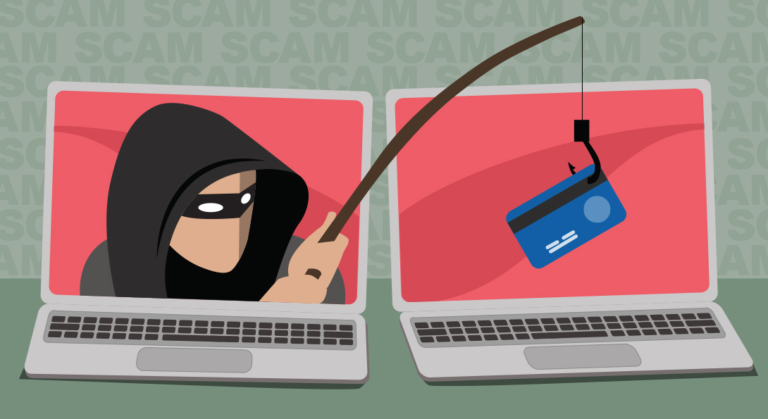
The remote job market unfortunately also attracts a high volume of scams, precisely because it targets people who are new to the workforce and eager for an opportunity. Knowing where to look, and what to be cautious of, matters as much as knowing how to apply.
Freelance platforms and social media. Sites like LinkedIn and major freelance marketplaces list a high volume of opportunities, but the quality and legitimacy vary widely. Vet any client or company before sharing personal details or starting unpaid work.
Company career pages. Going directly to the “Careers” page of companies you already know and trust is one of the safest routes available, since you are applying directly rather than through an intermediary. The tradeoff is that these companies may only be hiring for a narrow set of roles at any given time.
Specialized remote job boards. Niche platforms that manually vet listings before publishing them tend to filter out a large share of scam postings before you ever see them, making them a reliable middle ground between volume and safety.
How to Spot a Remote Job Scam
A few warning signs show up consistently across fake remote job listings, and learning to recognize them early can save you both time and money.
- Upfront payment requests. Legitimate employers do not ask new hires to pay for training materials, equipment, or “registration” before starting work.
- Vague job descriptions with unusually high pay. A listing promising significant income for minimal, undefined work is a common scam pattern.
- Pressure to decide immediately. Real hiring processes involve at least one interview or screening call. Being asked to “confirm” a job offer within hours, with no actual interview, is a red flag.
- Requests for sensitive financial details early on. Be cautious about sharing banking information, national ID numbers, or similar sensitive data before you have verified the company is real and the role is legitimate.
If something feels off, search the company’s name alongside the word “scam” before proceeding. A quick search frequently surfaces other job seekers’ experiences with the same listing. Our guide on avoiding remote job scams on the internet reveals the awareness you need to know.
Setting Up for Success Once You Land the Role
Getting hired is the first milestone, not the finish line. A few practical steps in your first weeks make a real difference in how quickly you settle in and how professional you appear to a new employer, especially one based abroad.
If your new role involves client calls, customer support, or any direct communication, consider setting up a dedicated virtual business phone line rather than using your personal number. This keeps your professional and personal communication separate from day one and signals seriousness to clients or your employer.
If you are being paid by a foreign company or client, you will also need a reliable way to receive international payments. Nigerian remote workers commonly use international payment platforms designed specifically for receiving foreign currency efficiently and converting it at competitive rates, which matters more than it might seem once you start comparing how much of your pay traditional bank transfers can quietly eat up in fees.
For a deeper look at the specific tools that make this transition smoother, from professional phone lines to payment platforms and productivity apps, see our guide on the best online tools for Nigerians earning online.
Common Mistakes Beginners Make
- Applying to everything indiscriminately. Tailoring even a handful of applications to the specific role tends to outperform mass-applying with a generic CV.
- Leaving CV gaps blank instead of filling them with real experience. School projects, volunteer work, and certificates all count and should be included.
- Ignoring scam warning signs because the opportunity feels urgent. Urgency is a scam tactic, not a sign of legitimacy.
- Underestimating the importance of a stable internet connection. Many remote roles, especially customer support and tutoring, require dependable connectivity as a baseline condition of the job, not an optional extra.
- Skipping interview preparation because the role is “entry level.” Beginner-friendly does not mean low-effort. Employers are still comparing you against other applicants.
A Few Important Points
- “No experience required” usually means no formal job history is needed, not that the role requires no skill. Employers typically train you on their specific tools.
- Virtual assistance, customer support, data entry, and online tutoring are among the most accessible remote fields for genuine beginners.
- Communication skills, reliability, and a stable internet connection consistently matter more to these employers than a degree or prior job titles.
- You can build a strong CV using school projects, volunteer work, structured service programs, and independent certificates, framed around the skills they demonstrate.
- Company career pages and vetted niche job boards are generally safer starting points than open social media listings.
- Watch for scam red flags: upfront payment requests, vague high-pay listings, pressure to decide immediately, and early requests for sensitive financial information.
- Once hired, setting up a dedicated professional phone line and a reliable international payment method makes the transition into remote work noticeably smoother.
Frequently Asked Questions
Do I need a degree to get a remote job with no experience? Generally no. Most beginner-friendly remote roles, including virtual assistance, customer support, and data entry, prioritize communication skills, reliability, and trainability over formal qualifications. Some online tutoring platforms may ask for proof of fluency or a basic certificate, but a university degree is rarely a strict requirement.
How do I write a CV if I have never had a formal job? Focus on transferable experience: school projects that required organization or teamwork, volunteer work, structured programs like national service, and any independent certificates you have completed. Frame each entry around the specific skill it demonstrates rather than apologizing for the lack of a paid job title.
What equipment do I need to start a remote job? At minimum, a reliable computer or smartphone, a stable internet connection, and access to a quiet space for calls if the role requires them. Some roles may specify additional requirements, such as a headset for customer support positions, which are usually listed in the job posting.
How can I tell if a remote job listing is a scam? Be cautious of listings that ask for upfront payment, promise unusually high pay for vague or minimal work, pressure you to accept immediately without an interview, or request sensitive financial information early in the process. Searching the company name alongside “scam” before applying is a quick way to check.
Which remote jobs pay the most for beginners? Pay varies significantly by company, region, and role, and there is no universal figure. Generally, specialized skills such as tutoring in high-demand subjects or technical customer support tend to pay more than general data entry, but beginners should expect to build a track record before accessing higher-paying opportunities.
Is it normal to start with low pay in a remote entry-level role? Yes, this is common across most beginner-friendly fields. Many remote workers use an entry-level role to build a verifiable work history and references, then move toward higher-paying positions or freelance rates once they have demonstrated reliability.
Can I get a remote job while still in school or doing national service? Yes, many entry-level remote roles, particularly part-time customer support, tutoring, and virtual assistance positions, are flexible enough to work around a school schedule or programs like NYSC, provided you can meet the required hours consistently.
How do I get paid if my employer is based in another country? Most beginners use international payment platforms built for receiving foreign currency, which tend to offer faster transfers and better exchange rates than standard bank transfers. It is worth setting this up before you start earning, rather than scrambling once your first payment is due.
The barrier to entry for remote work has genuinely shifted. Employers hiring for entry-level virtual roles are no longer screening primarily for job titles on a CV; they are screening for reliability, communication, and the willingness to learn quickly. That shift creates a real opening for beginners who know how to present the experience they already have, even if it was never formally paid.
The practical steps matter as much as the mindset: build a CV around transferable skills, apply through safe channels, stay alert to scam patterns, and treat your first remote role as the foundation for the next one rather than the destination itself. None of this requires a perfect resume or a connection in the industry. It requires showing up prepared and being honest about what you can already do.