
The internet has made it possible to earn a living, or a meaningful supplemental income, without being tied to a single employer, a fixed location, or a traditional 9-to-5 schedule. But the same openness that creates opportunity also makes it easy to waste months chasing approaches that do not work, or worse, fall victim to scams dressed up as opportunities.
This guide cuts through the noise. It covers the most reliable online income paths for beginners, explains how each one works, and gives you a clear framework for choosing where to start, whether you are looking to replace a salary, support your family, or simply build a financial cushion outside your main job.
Understanding How Online Income Actually Works
Before picking a platform or method, it helps to understand the two fundamental types of digital income. Most successful online earners use a combination of both.
Active Income
Active income is directly tied to your time and output. You complete a task, you get paid. Stop working, the income stops too.
Examples include writing an article for a client, handling customer support tickets, managing someone’s social media account, or completing a user-testing session. The upside is that active income is relatively predictable once you have clients. The downside is that it scales with your hours, which are finite.
Passive Income
Passive income requires significant upfront work but continues generating revenue without constant input. Writing an e-book, recording an online course, or building an affiliate marketing blog are all examples. The appeal is real, a single product can sell thousands of times. The honest caveat is that the “passive” label is misleading early on. Building something worth buying takes time, skill, and often a period of active marketing before the passive part kicks in.
The most sustainable approach for most people: start with active income to generate cash flow quickly, then use that stability to build passive income streams on the side.
Looking for higher-earning options beyond the basics? See our breakdown of 13 high-yield side hustles to earn more money in 2026 for more advanced strategies.
Separating Reality From Hype
The internet is full of exaggerated claims about online income. Before investing your time or money in any opportunity, here is what is worth knowing.
What Is True
Flexibility is real. You can genuinely work from anywhere, your bedroom, a cafe, a different country, as long as you meet your deadlines and maintain reliable communication with clients. For many people, this flexibility alone is worth a temporary pay cut.
The earning ceiling is higher than a traditional job for some paths. Skilled freelancers in high-demand niches (copywriting, web development, video editing, bookkeeping) can earn more than their office-based peers within a few years.
Work-life balance can genuinely improve. Cutting out a daily commute, working in your own environment, and setting your own schedule all have measurable quality-of-life benefits.
You will face real challenges. Distractions at home, inconsistent income early on, self-discipline requirements, and the loneliness of working alone are genuine hurdles. They are manageable, but dismissing them leads to frustration.
What Is False
High pay for minimal effort does not exist in legitimate work. Any offer promising significant income for minimal skill or time is either a scam or a misrepresentation. Online work rewards the same things traditional work does: skill, reliability, and professional judgment.
You do not need experience for executive-level pay. Beginner rates are real and appropriate. Entry-level digital workers earn entry-level pay, just like any other industry. The path to higher rates is demonstrated results, not a shortcut.
Overnight success is almost never genuine. Most people who appear to have made rapid progress online built quietly for a long time before becoming visible. What looks sudden from the outside rarely is.
Upfront fees are a red flag. Legitimate employers and clients do not charge you for the right to work for them. Some freelance platforms charge membership or service fees, which is normal. An employer asking you to pay before starting work is not.
Online Income Paths for Beginners
These are the most accessible starting points: low barriers to entry, genuine demand, and clear paths to improvement over time.
1. Freelance Writing
Freelance writers create content for businesses, publications, and individual clients. The work covers a broad range: blog articles, email newsletters, website copy, social media captions, product descriptions, corporate reports, and more.
What you need to start: Strong written communication skills in your target language, a computer or phone, and reliable internet access. A basic portfolio of writing samples, even self-initiated pieces on a free blog, is enough to begin applying.
Where to find work: Upwork, Fiverr, Freelancer, and ProBlogger Jobs are well-established starting points. Direct outreach to small businesses or content agencies is also effective once you have a few samples.
Income range: Beginners typically earn $5 to $25 per article or $10 to $20 per hour. Experienced writers with niche expertise (finance, technology, health) can earn $50 to $200 or more per article.
Tip: Specialising in a specific industry or content type early, rather than offering general writing for anyone, makes it easier to stand out and command better rates.
2. Virtual Assistance
Virtual assistants (VAs) provide remote administrative, operational, or specialist support to businesses and individuals. Common tasks include managing calendars and email inboxes, handling customer inquiries, maintaining spreadsheets, building presentations, booking travel, and supporting basic bookkeeping.
What you need to start: Organisation, reliable communication, and comfort using standard productivity tools (Google Workspace, Microsoft 365, Zoom, Slack, Trello). No formal qualification is required, though familiarity with the tools clients use is essential.
Where to find work: Upwork, Fiverr, PeoplePerHour, and LinkedIn are the most common starting points.
Income range: Entry-level VAs typically earn $3 to $10 per hour. Specialists in bookkeeping, social media management, or e-commerce support can earn $15 to $35 per hour.
Tip: Choosing a specific type of VA work (rather than offering everything) leads to better proposals and faster client acquisition. See the full breakdown of VA specialisations to understand your options before committing to a direction.
3. Online Surveys and Microtasks
Survey platforms connect brands with consumers willing to share opinions on products, services, and experiences. You earn small cash rewards or gift cards for completing questionnaires, watching videos, reviewing products, or testing search terms.
What you need to start: A smartphone or computer, an email address, and an honest willingness to share your views. Minimum age requirements typically apply (usually 18+).
Where to find work: Swagbucks, Survey Junkie, Toluna, and Prolific are reputable options with established payment histories.
Income range: Modest, most users earn $1 to $5 per hour equivalent, and survey availability varies. This is best treated as supplemental pocket money, not a primary income source.
Be realistic: Survey platforms are not a path to full-time income. They are accessible, low-effort, and useful for occasional extra cash, nothing more.
4. User Testing
Companies hire everyday users to test new apps, websites, and digital products before public release. Your role is to navigate the product, speak your thoughts aloud, and provide honest feedback that helps developers improve the user experience.
What you need to start: A computer with a microphone (some platforms also require a webcam), clear verbal communication skills, and punctuality for scheduled sessions. Most platforms require applicants to be at least 18 years old.
Where to find work: UserTesting and Maze are among the most established platforms in this category.
Income range: Typically $5 to $20 per test, with each session lasting 15 to 30 minutes. Availability depends on the platform and your demographic profile.
Tip: Platforms match testers to studies based on demographic data. Fill out your profile completely and accurately to maximise the number of studies you qualify for.
5. Selling Digital Products
Digital products, e-books, templates, stock photography, music, graphic assets, presets, fonts, and printables can be created once and sold repeatedly without inventory or shipping costs. A well-made product in a niche with genuine demand can generate income long after the initial work is done.
What you need to start: A skill or knowledge base worth packaging (writing, design, music, photography), and access to a platform that hosts and sells digital downloads.
Where to sell: Gumroad, Etsy (for digital downloads), Creative Market, and your own website via a tool like Payhip or Lemon Squeezy.
Income range: Highly variable. A niche e-book might earn $50 a month; a popular template pack or design asset set can earn thousands. Volume and marketing effort matter enormously.
Tip: Research demand before creating. Check what buyers are already searching for on Etsy or Gumroad before investing weeks in building something nobody is looking for.
Scalable Business Models Worth Exploring
Once you have a stable, active income from freelancing or VA work, these models offer routes to more scalable, long-term revenue.
Affiliate Marketing
Affiliate marketing involves earning a commission by recommending products or services to an audience. You join a company’s affiliate programme, receive a unique tracking link, and share that link through a blog, YouTube channel, email newsletter, or social media. When someone buys through your link, you earn a percentage of the sale.
How commissions work: Rates vary significantly. Physical products often pay 1% to 10%. Digital products and software subscriptions frequently pay 20% to 50% or more.
What it actually requires: An audience that trusts your recommendations. Building that audience takes consistent content creation over months, not days. Affiliate marketing performed without an established audience almost never works.
Where to start: Amazon Associates is the most accessible entry point for beginners. ShareASale, Impact, and individual company programmes offer more lucrative options for established creators.
YouTube and Video Content
A YouTube channel can become a meaningful passive income source, but it requires sustained effort before any monetisation kicks in.
To qualify for YouTube’s Partner Programme (which enables ad revenue), you need at least 1,000 subscribers and 4,000 public watch hours within any 12-month period, plus a linked and approved Google AdSense account.
Beyond ad revenue, creators earn through brand sponsorships, affiliate links in video descriptions, merchandise, and direct fan support via platforms like Patreon.
You do not need to appear on camera. Channels built around screen recordings, animated explainers, ambient audio, podcast-style commentary, or visualised data are common and often easier to produce consistently.
Realistic timeline: Most channels take six months to two years of consistent uploading before reaching monetisation thresholds. Treat it as a long-term project, not a short-term income source.
E-Commerce and Dropshipping
E-commerce involves selling physical or digital products through an online storefront. Dropshipping is a specific model where you market a supplier’s products at a retail markup; when an order comes in, the supplier ships directly to the customer. You never handle inventory.
The appeal: You can test products without upfront stock costs, and you are not responsible for fulfilment.
The honest trade-off: Margins on dropshipping are often thin (10% to 30%), competition is high in popular niches, and customer service falls on you even when fulfilment problems originate with the supplier. Success requires strong product research, disciplined ad spending, and consistent attention to customer experience.
Platforms: Shopify is the most commonly used platform for dropshipping; WooCommerce is a strong WordPress-based alternative.
Online Courses and Paid Educational Content
If you have deep knowledge in a specific area, professional skills, creative techniques, language learning, fitness, finance, or anything people actively want to learn, you can package it into a structured course and charge for access.
Platforms to host and sell courses: Udemy (large built-in audience, lower revenue per sale), Teachable and Thinkific (more control, you build your own audience), and LinkedIn Learning (for professionals in certain fields).
Income potential: Genuinely variable. A well-reviewed course on a popular topic on Udemy can earn a few hundred dollars a month passively. Creators with their own audiences and direct sales funnels can earn significantly more.
How to Pick the Right Starting Point
With this many options, the common mistake is trying several at once and doing none of them well. Here is a cleaner way to decide.
Step 1: Match the opportunity to a skill you already have. Do not spend months learning a completely new skill before earning your first dollar. Start where you have something to offer, even at a basic level and improve as you go.
Step 2: Assess how quickly you need income. Active income (freelancing, VA work, user testing) generates cash faster. Passive income (courses, affiliate marketing, YouTube) takes longer but scales further. Match your starting point to your timeline.
Step 3: Pick one path and commit to it for at least 90 days. Most people give up on legitimate opportunities before they have given them a fair chance. A consistent 90 days on a single approach will tell you far more than a week spread across five different platforms.
Step 4: Reinvest early earnings into skills. Once you are earning something, spend a portion on courses, better tools, or professional feedback that makes you faster or better. This is how income grows over time rather than plateauing.
Step 5: Track what is working. Measure your conversion rate by how many proposals, posts, or listings lead to actual income. If 3 out of 100 applications result in a contract, your conversion rate is 3%. Improving that number matters more than increasing volume.
Avoiding Scams: What to Watch For
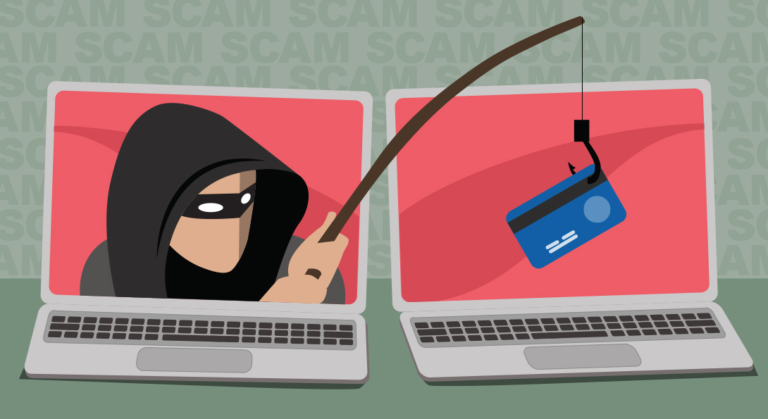
Online income scams are common and often target beginners who are eager to start quickly. Protect yourself by knowing the warning signs:
- Any offer requiring upfront payment to access a job, training, or platform run by an employer is almost always fraudulent
- Promises of guaranteed earnings with no description of what the work actually involves
- Urgency pressure (“this offer expires in 24 hours”) designed to prevent you from thinking critically
- Jobs that pay far above market rate for no stated reason, if something looks too good to be true relative to similar legitimate opportunities, it usually is
- Requests for sensitive personal or financial information before any contract or formal onboarding process
If you are unsure about a platform, search for independent reviews outside the platform itself before signing up or providing any information.
Frequently Asked Questions
What is the simplest way for a complete beginner to start earning online? The lowest-barrier starting points are freelance writing, virtual assistance, user testing, and online surveys. All require minimal startup costs and no formal qualifications. Of these, freelance writing and VA work offer the clearest path to consistent, growing income.
Can I earn money on YouTube without appearing on camera? Yes. Many successful creators never show their faces. Popular face-free formats include screen-recorded tutorials, animated explainers, ambient soundscapes and music, data visualisations, and audio-led commentary videos. Content quality and consistency matter far more than whether the creator is visible.
Is it realistic to earn $100 a day online? For most people, $100 a day ($2,000 to $3,000 per month) is an achievable medium-term target, not a beginner’s starting point. Reaching this level typically requires a combination of approaches: active freelancing income supplemented by digital products, affiliate commissions, or course sales and usually takes six months to two years of consistent effort, depending on the path.
Do I need to pay to join freelance platforms? Most major freelance platforms (Upwork, Fiverr, Freelancer) are free to join. They earn revenue by taking a percentage of each transaction, typically 5% to 20%, depending on the platform and contract size. That is a legitimate and standard model. What is not legitimate is any employer or recruiter asking you to pay them directly before starting work.
How do I get paid if I am working with international clients? Common payment methods for cross-border freelancers include Payoneer (widely available in most countries and accepted by Upwork), Wise (good exchange rates for bank transfers), PayPal (available in most markets, though with varying functionality by country), and Deel (commonly used by companies formally contracting remote workers). Research what is available and permitted in your country before committing to a payment method.
How do people earn money from 3D modelling skills? 3D modelling is a specialised but high-demand skill used in gaming, architecture, film, and product design. Experienced 3D artists sell assets on marketplaces like TurboSquid, CGTrader, and the Unity Asset Store, take on freelance commissions, or work directly with studios. It requires significant investment in learning and software, but the earning ceiling is considerably higher than most beginner-accessible paths.
What are the main income paths in Web3? Web3 covers a range of decentralised internet technologies. Earning opportunities include blockchain development, smart contract auditing, NFT creation and trading, play-to-earn gaming, and participating in decentralised autonomous organisations (DAOs). Most paths require either significant technical knowledge or tolerance for high financial risk. Beginners should approach this space with considerable research and caution before committing time or money.
How long before I see consistent income online? This varies enormously by path. User testing and surveys can pay within days of signing up. Freelance writing or VA work typically takes two to six weeks to land a first client and one to three months to build a consistent pipeline. Passive income from courses, affiliate marketing, or YouTube typically takes six months to two years before generating meaningful revenue. Set expectations based on your chosen path, not on exceptional case studies.
Lessons We Learned
- Online income falls into two categories: active (paid per task or hour) and passive (built once, earns over time). The most resilient approach combines both.
- Beginners should start with active income paths, such as freelance writing, virtual assistance, and user testing, where results come faster, and the risk is lower.
- Passive income paths like affiliate marketing, online courses, and YouTube are real but require significant upfront investment in time and content before generating meaningful returns.
- Choosing one path and committing to it for at least 90 days is more effective than trying multiple approaches simultaneously.
- Legitimate employers never charge you to work for them. Upfront payment demands are a reliable indicator of fraud.
- Income grows through skill development, reputation building, and consistent improvement, not shortcuts.
Earning money online is genuinely possible, and for many people, it has become their primary livelihood. But it operates on the same principles as any other professional pursuit: skill, consistency, and patience matter more than the platform you choose or the method you try. The people who build sustainable online income are not the ones who found the best secret; they are the ones who picked a realistic path and stuck with it long enough to see results. Start with what you can do today. Improve from there.

[…] a broader look at where to start and what platforms actually pay Nigerians reliably, the Beginner’s Guide to Earning Money Online covers the most accessible entry points in […]