Whether you need to cover an unexpected medical bill, consolidate high-interest credit card debt, or fund a home renovation, a personal loan is one of the most flexible financing tools available to consumers. But flexible does not mean simple. Interest rates, fees, loan structures, and lender requirements vary enough that the wrong choice can cost you significantly more than the right one.
This guide explains everything you need to know before you apply: how personal loans work, what they cost, the different types available, when taking one out makes sense (and when it does not), and a step-by-step walkthrough of the application process.
What Is a Personal Loan?
A personal loan is a form of instalment credit in which a lender, such as a bank, credit union, or online lender, provides a borrower with a fixed lump sum of money. The borrower agrees to repay that amount, plus interest, through regular monthly payments over a set period known as the loan term.
Unlike a credit card, which gives you a revolving line of credit you can draw from repeatedly, a personal loan gives you a one-time disbursement that you pay down to zero over the agreed term. The monthly payment amount is typically fixed, so you know exactly what you owe each month from the day you sign the agreement.
Personal loan amounts can range from a few hundred dollars to tens of thousands, with repayment terms running anywhere from 12 months to several years, depending on the lender and the size of the loan.
Key Takeaways To Bear in Mind:
- A personal loan is a fixed lump sum repaid in regular monthly instalments over a set term, with interest.
- APR is the most reliable metric for comparing the true cost of loans from different lenders, as it incorporates fees alongside the interest rate.
- Personal loans are among the most flexible borrowing tools available, with uses ranging from debt consolidation and home repairs to medical bills and emergency expenses.
- The interest rate you receive depends heavily on your credit score, income, and debt-to-income ratio. Improving these before applying directly reduces your cost.
- Secured personal loans typically carry better rates than unsecured ones but require collateral, which you risk losing if you default.
- Pre-qualification lets you compare real rate estimates without affecting your credit score, and shopping multiple lenders before committing is always worth the time.
- A personal loan is not the right tool for every situation. If the rate is higher than your current debt, or if a more specific loan product exists for your need, explore alternatives first.
- Missing payments has serious consequences for your credit. Only borrow what you are confident you can repay on the agreed schedule.
Terms You Need to Understand
Before comparing lenders or reading a loan agreement, it helps to understand the terminology. These terms directly affect what you will pay.
Interest Rate: The interest rate is the cost of borrowing the principal, expressed as a percentage. A higher rate means you pay more in total over the life of the loan, regardless of how low your monthly payment looks.
APR (Annual Percentage Rate): The APR is a broader measure than the interest rate alone. It includes the interest rate plus any fees the lender charges, expressed as a single annual percentage. When comparing loans from different lenders, the APR gives a more accurate picture of the true cost than the interest rate alone.
Loan Term: The loan term is the length of time you have to repay the loan. Longer terms reduce your monthly payment but increase the total amount of interest you pay. Shorter terms mean higher monthly payments but a lower overall cost of borrowing. Choosing the right term is about balancing what you can afford monthly against what you want to pay in total.
Origination Fee: Some lenders charge an upfront fee to process your loan application. This fee is typically expressed as a percentage of the loan amount and is often deducted from your loan proceeds before they are deposited, meaning you receive slightly less than you borrowed. A $10,000 loan with a 3% origination fee would net you $9,700. The origination fee is factored into the APR when one is present.
Prepayment Penalty: A prepayment penalty is a fee charged if you pay off the loan before its maturity date. Not all lenders impose this, but under Regulation Z, lenders are required to clearly disclose whether one exists before you sign. If you plan to pay your loan off early, look for a lender that does not include prepayment penalties.
How Personal Loans Work: The Mechanics
When you take out a personal loan, the lender disburses the full approved amount to you, usually as a direct deposit into your bank account. From that point, you begin making monthly payments on a fixed schedule.
Each monthly payment covers two components: a portion of the principal (the amount you originally borrowed) and interest. In the early months of repayment, a larger share of each payment goes toward interest. As the balance decreases, a growing share of each payment reduces the principal. This structure, common to all instalment loans, is called amortization.
By the final payment, the loan is fully paid off, and the lender-borrower relationship ends, with no ongoing obligation. This is one of the key differences between a personal loan and a credit card: with a loan, there is a defined end date.
What Can You Use a Personal Loan For?
Personal loans are not tied to a specific purchase the way a mortgage or auto loan is. That flexibility is one of their main advantages. Common uses include:
- Debt consolidation: Rolling multiple high-interest debts, typically credit cards, into a single personal loan with a lower interest rate and one fixed monthly payment. This simplifies repayment and can meaningfully reduce your total interest cost. If you are exploring ways to strengthen your financial position before consolidating, it is worth understanding why your savings rate often matters more than chasing higher investment returns.
- Home improvements: Covering unexpected repairs like a roof or HVAC system, or funding planned renovation projects when you do not want to tap home equity.
- Medical expenses: Spreading the cost of hospital bills, procedures, or ongoing treatment over time rather than paying a lump sum at once.
- Emergency costs: Handling sudden, unavoidable expenses, such as a car breakdown or an urgent repair, especially when you do not have sufficient savings set aside.
- Moving costs: Covering removal services, storage, security deposits, and other relocation expenses that can accumulate quickly.
- Large purchases: Financing major one-time expenses that fall outside your monthly budget without reaching for a high-interest credit card.
What Personal Loans Cannot Be Used For
Flexibility has limits. Most lenders will not approve personal loans for:
- Down payments on a home or other property
- Business startup costs or operating expenses
- Investing in stocks, cryptocurrency, or other financial instruments
- Certain education expenses (student loans are the appropriate vehicle for these)
Always confirm your intended use with the lender before applying, as using loan funds for a restricted purpose can constitute a breach of your loan agreement.
When a Personal Loan Makes Sense (and When It Does Not)
Good Reasons to Consider a Personal Loan
- You have a specific, one-time expense you cannot cover from savings
- You are consolidating higher-interest debt into a lower-rate, structured repayment plan
- You need funds quickly and have a clear repayment plan
- You want predictable fixed payments rather than revolving debt
When to Think Twice
- You already carry significant debt: Adding a personal loan when your debt-to-income ratio is already strained makes repayment harder across all obligations.
- You do not have a repayment plan: Borrowing without a clear path to repaying the loan leads to late payments, additional fees, and credit score damage.
- You are funding discretionary spending: Taking on debt for a vacation or luxury purchase you cannot otherwise afford creates financial strain that often outlasts the experience.
- A more specific loan product exists: For car purchases, an auto loan will typically carry a lower rate. For education, student loans are designed for that purpose. Using a personal loan as a substitute costs you more.
- You cannot sustain the monthly payment: If there is any doubt about your ability to make consistent on-time payments, the loan poses more risk than it solves.
Types of Personal Loans
By Security Type
Unsecured Personal Loans: The most common type. No collateral is required. Approval is based on your credit score, income, and debt-to-income ratio. Because the lender takes on more risk without collateral to fall back on, interest rates on unsecured loans tend to be higher than on secured ones. Borrowers with strong credit profiles are best positioned for competitive rates.
Secured Personal Loans: Require you to pledge an asset as collateral, such as a savings account or certificate of deposit. Because the lender has a claim on that asset if you default, the risk to the lender is lower, and interest rates are typically more favourable. The trade-off is that you can lose the pledged asset if you stop making payments.
By Loan Structure
Debt Consolidation Loans: Specifically designed to roll multiple existing debts into one payment. The goal is usually to reduce the average interest rate across your total debt and simplify monthly management.
Joint Loans: Taken out by two borrowers together, both of whom have access to the funds and share legal responsibility for repayment. Often used by couples or co-applicants who want to combine their income and credit profiles to qualify for better terms.
Co-signed Loans: Involve a primary borrower and a co-signer who agrees to take responsibility for the loan if the primary borrower defaults. The co-signer does not have access to the funds, but their credit profile supports the application. This can help borrowers with limited or poor credit history get approved or secure better rates.
By Interest Rate Type
Fixed-Rate Loans: The interest rate stays the same for the entire loan term, making monthly payments predictable from start to finish. The majority of personal loans are fixed-rate, and for most borrowers, this is the more manageable structure.
Variable-Rate Loans: The interest rate fluctuates with an underlying benchmark rate, which means your monthly payment can change. You might pay less if rates fall, but you assume the risk of paying more if they rise. Variable-rate loans are generally better suited to borrowers who expect to repay quickly or who are confident in the direction of interest rates.
What Interest Rate Can You Expect?
The rate you are offered depends on your credit score, debt-to-income ratio, loan amount, loan term, and current market conditions.
According to Bankrate data from March 2026, the average personal loan interest rate for a borrower with a 700 credit score is 12.26% for a $5,000 loan with a 36-month term. Borrowers with excellent credit, typically with scores above 750, can often access rates meaningfully below that average. Borrowers with scores below 600 may face rates well above 20%, or may find it difficult to qualify with mainstream lenders at all.
As a general reference point, if the personal loan rate you are being offered is lower than the interest rate you are paying on your credit cards, debt consolidation may produce real savings. If the personal loan rate is higher than your existing debt rates, it may not be the right tool.
How to Qualify for a Personal Loan
Lenders assess several factors before approving an application. Understanding what they look for allows you to improve your position before applying.
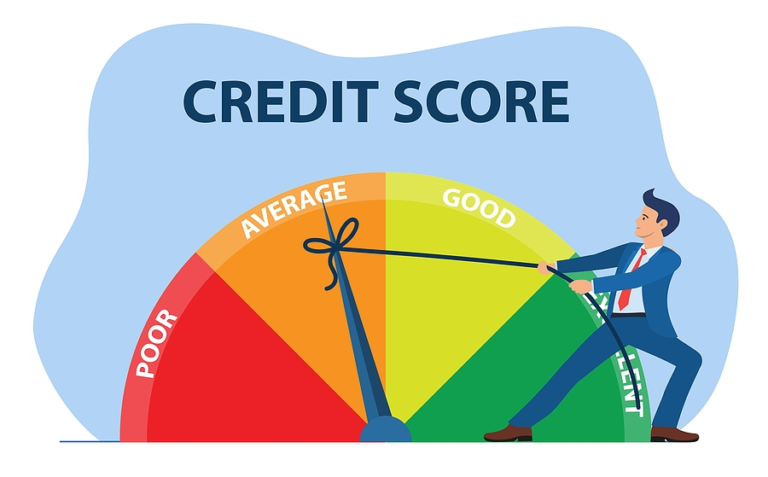
Credit Score: Your credit score is one of the most influential factors. According to Experian, a score of at least 580 is typically needed to qualify for most personal loans, while a score of 700 or above generally unlocks better rates and terms. Check your score before applying and dispute any errors on your credit report that may be dragging it down.
Income and Employment: Lenders want confirmation that you have a reliable source of income sufficient to cover the monthly payment. You will typically need to provide pay stubs, bank statements, or a letter of employment. Self-employed applicants may need to provide tax returns for the previous two years.
Debt-to-Income (DTI) Ratio: Your DTI ratio is calculated by dividing your total monthly debt payments by your gross monthly income. Lenders generally prefer a DTI of 36% or below, though some will accept slightly higher ratios depending on other factors. Paying down existing debt before applying is one of the most effective ways to improve this metric.
Collateral: If you are applying for a secured loan, the value and liquidity of your collateral will be assessed. Collateral reduces the lender’s risk and can result in faster approval and a better rate.
Co-signer: If your credit score or income is not strong enough to qualify independently, a co-signer with a strong credit profile can improve your chances. Be aware that if you default, the co-signer is fully liable for the remaining balance, and the loan will appear on their credit report.
How to Apply for a Personal Loan: Step by Step
Step 1: Check your credit score and credit report: Before you approach any lender, know where you stand. Review your credit report for errors, which are more common than most people realize, and dispute anything inaccurate. Your score determines not just whether you qualify but what rate you will pay.
Step 2: Determine how much you need: Borrow only what you need. Borrowing more than necessary increases your total repayment cost and your monthly obligation. If you are consolidating debt, add up the exact balances you want to pay off and use that as your target.
Step 3: Shop around and compare lenders: Do not accept the first offer you receive. Banks, credit unions, and online lenders all operate with different rate structures, fee schedules, and eligibility criteria. Your current bank or credit union is a reasonable starting point, especially if you have an existing relationship there, but online lenders often offer competitive rates with faster turnaround. You may also receive pre-approval offers by mail that let you check your rate without affecting your credit score.
While you are comparing lenders, it is worth noting that some bank promotions and cash bonuses offered to new customers can offset a portion of borrowing costs if you are opening a new account as part of the process.
Step 4: Get pre-qualified: Most lenders offer pre-qualification using a soft credit inquiry, which does not affect your credit score. Pre-qualification gives you an estimated rate and terms without a formal commitment, allowing you to compare real offers rather than advertised ranges.
Step 5: Gather your documents: Typical requirements include:
- Government-issued photo ID
- Proof of income (pay stubs, bank statements, or tax returns)
- Proof of address
- Details of existing debts if applying for a consolidation loan
Step 6: Submit the formal application: A formal application triggers a hard credit inquiry, which may temporarily lower your score by a few points. If you are applying with multiple lenders, try to do so within a short window (typically 14 to 45 days), as credit bureaus often treat multiple hard inquiries for the same loan type within that period as a single inquiry.
Step 7: Review the loan agreement carefully: Before signing, confirm the APR, monthly payment amount, total repayment cost, loan term, origination fee, and whether a prepayment penalty applies. Do not sign based on the monthly payment alone.
Step 8: Receive your funds: Once the agreement is signed and accepted, the lender disburses the funds. Most online lenders transfer money within one to two business days. Traditional banks may take slightly longer.
Comparing Personal Loan Lenders: What to Look At
When evaluating lenders side by side, compare the following:
- APR: The single most important cost metric. Compare APR, not just interest rates.
- Loan amounts and terms: Does the lender offer the amount you need and a term that fits your budget?
- Fees: Origination fees, prepayment penalties, and late payment fees all affect the total cost.
- Minimum credit score requirements: Applying for a loan you are unlikely to qualify for results in a hard inquiry on your credit with no benefit.
- Funding speed: If timing matters, check how quickly the lender disburses funds after approval.
- Customer service: Consider how you will manage the loan. Online-only lenders may not have phone or in-person support, which matters if something goes wrong.
- Renewal practices: Some lenders have restrictions or conditions at renewal that are not obvious in the initial terms.
Alternatives to Personal Loans
A personal loan is not always the right tool. Depending on your situation, these alternatives may be worth considering:
- Credit cards: If the expense is small and you can pay it off within a billing cycle or during a promotional 0% APR period, a credit card may carry less total cost. Long-term balances on credit cards, however, almost always carry higher rates than personal loans.
- Home equity loans or lines of credit (HELOC): If you own property with equity, these options often carry lower rates than unsecured personal loans. The risk is that your home serves as collateral.
- Friends or family: Borrowing from someone you know can avoid interest entirely, but it carries relational risk and should be documented with a written agreement.
- Savings: If you have accessible savings, using them avoids interest costs entirely. The consideration is whether depleting those savings leaves you exposed to future emergencies.
- Retirement account loans: Some 401(k) plans allow loans against the balance, but failure to repay typically triggers taxes and penalties that make this an expensive last resort.
Frequently Asked Questions
What credit score do I need for a personal loan?
Most lenders require a minimum score of around 580 to qualify, but the best rates are generally reserved for borrowers with scores of 700 and above. Check your score before applying and find out what threshold your target lender uses.
How quickly can I get funds from a personal loan?
Online lenders often approve applications and disburse funds within one to two business days. Banks and credit unions may take longer depending on their underwriting process and whether you apply in person or online.
Does applying for a personal loan hurt my credit score?
Pre-qualification uses a soft inquiry and does not affect your score. A formal application triggers a hard inquiry, which may lower your score by a few points temporarily. Multiple applications within a short window for the same type of loan are typically treated as a single inquiry by credit bureaus.
Can I pay off a personal loan early?
Yes, but some lenders charge a prepayment penalty if you do. Review your loan agreement before making early payments, and specifically confirm whether a prepayment fee applies and how it is calculated.
What is the difference between the interest rate and the APR?
The interest rate reflects only the cost of the principal. The APR includes the interest rate plus any fees charged by the lender, expressed as an annual percentage. The APR is always the more complete measure of loan cost.
What happens if I miss a payment?
Missing a payment typically triggers a late fee and, after 30 days, the missed payment is reported to the credit bureaus, which can significantly damage your credit score. If you anticipate difficulty making a payment, contact your lender before the due date. Some lenders offer hardship programs or temporary payment deferrals.
Is a personal loan better than a credit card for large purchases?
For large expenses you cannot pay off quickly, a personal loan usually carries a lower interest rate than a credit card and provides a structured repayment timeline. Credit cards are better suited to smaller expenses you can pay off within one or two billing cycles.
Can I use a personal loan to consolidate student loans?
Technically, yes, but it is generally not advisable. Federal student loans carry income-based repayment options, forgiveness programs, and deferment provisions that you would lose by refinancing into a personal loan. Private student loan refinancing through a specialized lender is usually the better path.
What is a co-signer, and do I need one?
A co-signer is someone who signs the loan agreement alongside you and agrees to take responsibility for repayment if you default. A co-signer does not have access to the loan funds. Adding a co-signer with strong credit can help you qualify or secure a better rate, but it puts their credit at risk if you miss payments.
What should I avoid when taking out a personal loan?
Avoid borrowing more than you need, accepting a loan without reading the full agreement, including all fees, using a personal loan for ongoing or discretionary spending, and ignoring whether a prepayment penalty exists if you plan to pay the loan off ahead of schedule.
Closing Note:
A personal loan can be a practical and cost-effective solution when you have a specific financial need, a clear repayment plan, and the creditworthiness to qualify for a reasonable rate. Used well, it provides access to funds quickly, consolidates debt more efficiently, and offers the predictability of fixed monthly payments.
Used carelessly, it adds to an existing debt burden, costs more than the expense it was meant to cover, and creates repayment pressure that compounds financial stress rather than relieving it.
The steps are straightforward: know your credit score, determine exactly how much you need, compare multiple lenders using APR as your primary benchmark, read the full loan agreement before signing, and make every payment on time. That process, applied consistently, is what separates a personal loan that helps from one that hurts.